


The NACU Leadership Development Institute (LDI) equips current and emerging higher education leaders with the tools, perspectives and peer connections they need to lead effectively in a rapidly changing environment.
This fully online program from January 22 – April 16, 2027 combines practical leadership development with institutional finance, strategic thinking and real-world challenges facing colleges and universities. Participants will deepen their understanding of their own leadership styles, strengthen their ability to lead teams and navigate change, and develop the confidence to engage in difficult conversations and strategic decision-making. Throughout the program, participants learn alongside colleagues across the NACU network, creating a cohort of peers who can serve as resources long after the Institute concludes. In addition, thanks to donor support, NACU is offering funding to help member institutions send campus teams to the Leadership Development Institute.
LDI is designed for higher education professionals who are taking on greater leadership responsibilities or preparing for their next leadership role, including:
Participants come from a variety of functional areas, including academics, student affairs, finance, enrollment, advancement and other areas across campus.
LDI is exclusively for faculty and staff at NACU member institutions. Participation by individuals from non-member institutions is by invitation only.
The 2027 LDI combines five interactive leadership sessions with three cohort check-ins designed to give participants additional time to reflect, connect and apply what they are learning.
Participants will:
All sessions and cohort check-ins are virtual. The cost is $850 per participant. Grants are available for campus teams (see below.)
REACH Assessment • Leadership Style • Leadership Roadmap
Leadership in higher education is built on people and relationships, not just decision-making authority. This session helps participants explore their personal leadership styles with the goal of enhancing collaboration and influence across diverse groups. Using insights from their personalized REACH assessments, participants will examine their strengths, preferences and opportunities for growth while developing a common leadership language that will carry through the Institute.
Participants will also begin developing a leadership roadmap that connects what they learn throughout the program to their own professional goals and campus contexts.
Special NACU-wide session: Open to all faculty and staff at NACU member institutions
Understanding institutional finances is increasingly important for higher education leaders at every level and across functional areas. This session introduces key financial concepts and explores the forces shaping the financial health of colleges and universities. Participants will develop a stronger understanding of how institutional finances connect to mission, strategy and student success, and how financial considerations influence decisions across campus.
LDI participants will be joined by colleagues from across the NACU network for this special 90-minute webinar.
Finance Case Studies • Strategic Planning • Strategic Thinking
Building on the February 5 institutional finance webinar, the first part of this session will give LDI participants an opportunity to apply financial concepts through case studies drawn from NACU institutions. Participants will consider how institutional leaders evaluate financial realities, weigh competing priorities and make decisions that support both mission and long-term sustainability.
The second part of the session turns from finance to the broader work of strategy. Participants will explore the difference between strategic planning and strategic thinking, consider how leaders contribute to institutional strategy from different roles, and examine how their own leadership strengths can help move strategic priorities forward.
Cohort check-ins provide dedicated time for participants to reflect on and apply what they are learning throughout the Institute. Guided by the LDI facilitators, participants will work primarily in small groups to discuss how concepts from the program connect to their own leadership roles, campus contexts and current challenges. Rather than introducing new content, these sessions create space to deepen learning through reflection, application and conversation with peers.
Leading effectively requires more than managing individual performance. Leaders must build trust, engage people with different working and leadership styles, and help teams navigate change and uncertainty. This session explores practical approaches for developing strong teams and creating the conditions for effective collaboration.
Participants will consider how their own leadership strengths affect team dynamics, examine the role of trust in organizational culture and change, and explore strategies for leading people through evolving priorities and expectations.
This facilitated check-in gives participants dedicated time to apply their learning to their own leadership experiences. Through guided small-group conversations, participants will reflect on recent sessions, discuss how concepts related to teams, trust and change are showing up in their work, and learn from the experiences and perspectives of their peers. Facilitators will help participants make connections between the Institute’s content and their individual leadership development.
Conflict and difficult conversations are inevitable parts of leadership. The challenge is addressing them constructively. This session provides tools and frameworks for having respectful, professional and productive conversations with peers, direct reports and senior leaders. Participants will explore approaches for navigating disagreement, providing feedback and addressing challenging situations while preserving relationships and trust.
In the final facilitated cohort check-in, participants will work in small groups to reflect on their experience in the Institute and consider how they will carry their learning forward. With guidance from the LDI facilitators, participants will revisit their leadership roadmaps, identify priorities for continued growth and discuss how they can apply the approaches and practices developed throughout the program to their work beyond the Institute.
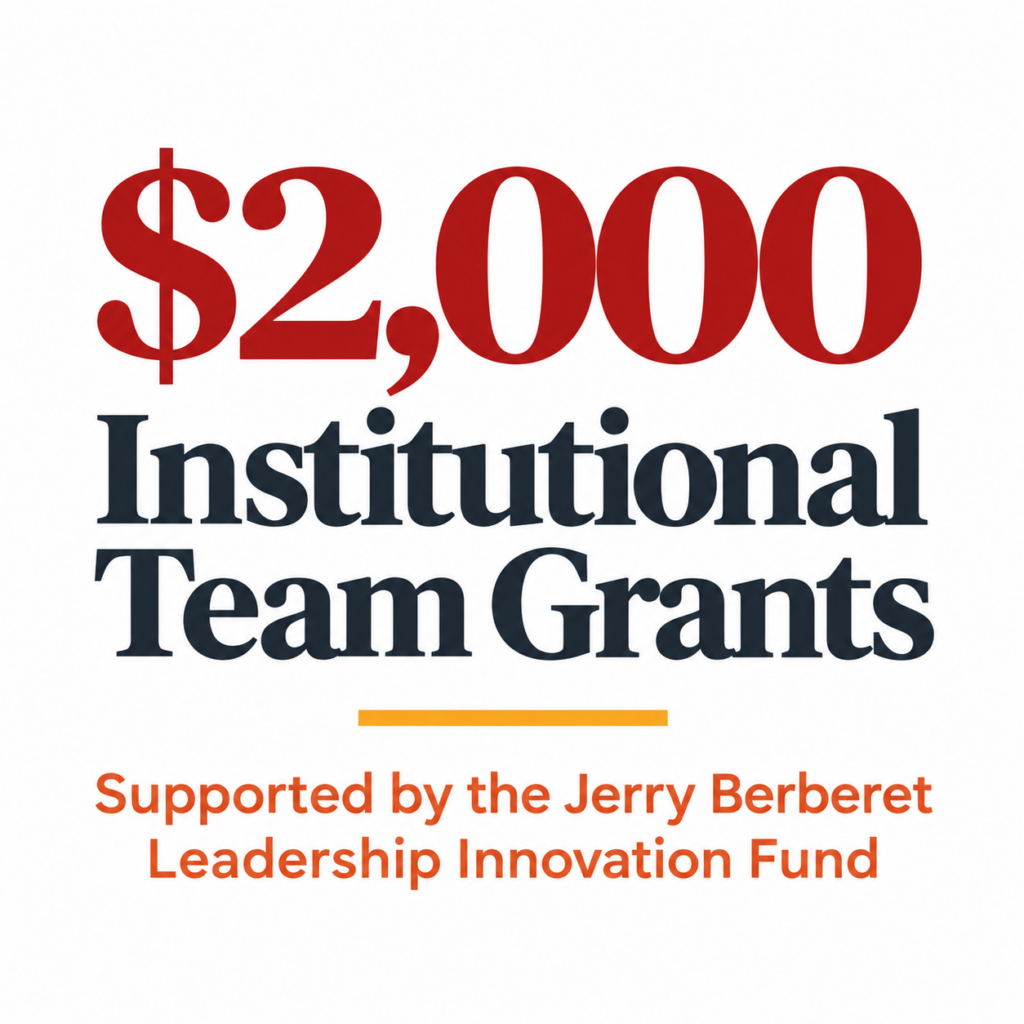
Leadership development can have an even greater impact when colleagues learn together. For 2027, NACU is introducing funding to help member institutions send campus teams (of at least four people) to the Leadership Development Institute. Supported by the Jerry Berberet Leadership Innovation Fund, the initiative is designed to help teams build leadership capacity while addressing a real strategic priority or challenge on their campus.
Program Dates
January 22–April 16, 2027
Format
Five interactive virtual leadership sessions plus three one-hour cohort check-ins
Session Dates & Times
Core sessions: 12–2 p.m. ET — January 22, February 19, March 5 and April 2
Finance webinar: 12–1:30 p.m. ET — February 5
Cohort check-ins: 12–1 p.m. ET — February 26, March 19 and April 16
Cost
$850 per participant
Team Funding
Seven $2,000 institutional team grants available through the Jerry Berberet Leadership Innovation Fund to campus teams of at least four people.
Berberet Fund recipients will receive one institutional invoice covering all members of the participating team, with the $2,000 grant applied to the total. Individual payments cannot be combined toward a team grant.
Registration Deadline
December 11, 2026
Cancellation/Transfer Information
Cancellations will be accepted through the December 11 registration deadline. After December 11, registration fees are nonrefundable; however, registrations may be transferred to another participant from the same institution.
Registration is open to employees of NACU member institutions. Participation from non-member institutions is by invitation only.
Please determine which registration option applies to you:
Before beginning, please have the following information ready: participant name(s), job title(s) and institution; billing contact information. Invoices will be sent in December.
Team Grant applicants should also have a team of at least four participants identified, including their names and job titles; a 150–200 word description of the institutional challenge or strategic priority the team will address; and a 50–100 word explanation of how the team’s composition relates to that priority.
Questions? Please reach out to Michelle Apuzzio at mapuzzio@nacu.edu.
Phone: 937.430.0349
Email: office@nacu.edu
 The New American Colleges & Universities